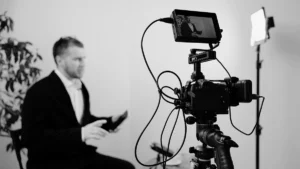
When it comes to podcasting, content matters—but audio quality is what keeps listeners engaged. Even the most compelling conversations can lose impact if the sound is unclear or inconsistent. That’s where the right microphone comes in.
A microphone is one of the most important tools in your podcasting setup. It directly affects how your voice is captured, how your message is delivered, and how your audience experiences your content. Choosing the right microphone—and using it correctly—can elevate your podcast from average to professional.

What Is a Microphone and Why It Matters for Podcasting
A microphone converts sound waves into an electrical signal that can be recorded and played back. While that may sound simple, the quality of that conversion makes a significant difference in your final product.
What a Microphone Does in Audio Recording
At its core, a microphone captures your voice. However, not all microphones capture sound the same way. Some are designed to isolate your voice, while others pick up more of the surrounding environment.
This distinction becomes critical in podcasting, where clarity and focus are essential.
Why Microphone Quality Impacts Podcast Performance
A high-quality microphone produces clean, balanced audio. As a result, your voice sounds natural and easy to understand.
On the other hand, low-quality microphones often introduce noise, distortion, or inconsistency. These issues can distract listeners and reduce the overall impact of your content.
How Audio Clarity Affects Listener Experience
Listeners expect clear audio. If they have to strain to hear or understand your message, they are more likely to stop listening.
Clear, professional sound builds trust and keeps your audience engaged from start to finish.
Why the Right Microphone Is Essential for Podcast Quality
Not all microphones are created equal. Choosing the right one can make a noticeable difference in how your podcast sounds.
The Difference Between Amateur and Professional Sound
Amateur audio often sounds distant, uneven, or noisy. In contrast, professional audio feels polished, balanced, and consistent.
This difference is largely driven by the quality of the microphone and how it is used.
How Microphones Influence Tone, Clarity, and Consistency
Microphones affect how your voice is captured. Some enhance warmth and depth, while others prioritize clarity and detail.
Additionally, a reliable microphone setup ensures consistent sound across episodes, which is essential for building a recognizable brand.
Why Poor Audio Drives Listeners Away
Even great content cannot overcome poor audio. Listeners quickly lose interest when sound quality is inconsistent or distracting.
As a result, investing in the right microphone is not optional—it is essential.
Types of Microphones for Podcasting
Understanding the different types of microphones helps you make an informed decision.
Dynamic Microphones vs Condenser Microphones
Dynamic microphones are durable and designed to pick up sound from a close range. They are ideal for podcasting because they reduce background noise.
Condenser microphones are more sensitive and capture a wider range of sound. While they offer greater detail, they also require a controlled recording environment.
USB Microphones vs XLR Microphones
USB microphones are simple and convenient. They plug directly into your computer and are often used by beginners.
XLR microphones require additional equipment, such as an audio interface. However, they offer greater control and higher overall sound quality.
Choosing the Right Microphone for Your Setup
The best microphone depends on your goals, environment, and experience level. While beginners may start with USB options, many creators eventually transition to XLR setups for improved quality.
How to Choose the Best Microphone for Your Podcast
Selecting the right microphone involves more than just budget.
Matching Microphones to Your Content Style
Different podcast formats require different setups. Solo recordings, interviews, and group discussions each benefit from specific microphone types.
Choosing a microphone that fits your format improves both clarity and consistency.
Considering Your Recording Environment
Your environment plays a major role in sound quality. Rooms with echo or background noise can negatively impact recordings.
In these cases, dynamic microphones or professionally treated spaces can help reduce unwanted sound.
Budget vs Quality: What Really Matters
While budget is important, quality should not be overlooked. A slightly higher investment can significantly improve your audio and listener experience.
Microphone Setup and Positioning Tips
Even the best microphone will not perform well without proper setup.
Proper Mic Placement for Clear Audio
Position your microphone close enough to capture your voice clearly, but not so close that it causes distortion.
Consistent placement helps maintain even sound levels throughout your recording.
Reducing Background Noise and Echo
Minimizing background noise improves clarity. Simple steps, such as recording in a quiet space or using sound treatment, can make a big difference.
Maintaining Consistent Sound Levels
Consistency is key. Keeping your distance and speaking level steady ensures a more professional final product.
Common Microphone Mistakes to Avoid
Avoiding common mistakes can save time and improve your results.
Recording With Built-In Laptop or Phone Mics
Built-in microphones are not designed for professional recording. They often produce low-quality, inconsistent audio.
Ignoring Room Acoustics
Even a high-end microphone cannot fix a poor recording environment. Echo and background noise will still be present.
Inconsistent Microphone Technique
Moving too far from the microphone or changing your speaking position can create uneven audio.
How Professional Studios Improve Microphone Performance
Professional studios provide an environment designed for high-quality recording.
Access to High-Quality Microphones and Equipment
Studios offer access to industry-grade microphones that are optimized for podcasting and content creation.
Engineered Spaces for Optimal Sound
Acoustically treated rooms reduce echo and background noise. This creates a clean, controlled recording environment.
Expert Support During Recording Sessions
Working with professionals ensures your microphone is set up correctly. This allows you to focus on your content rather than technical issues.
How Focal Studios Elevates Your Podcast Audio
Focal Studios provides the tools and expertise needed to produce professional-quality podcasts.
Professional-grade microphones are available for every session, ensuring clear and consistent audio. In addition, on-site engineering support helps optimize your setup and recording process.
Flexible booking options allow creators to scale their production, whether they are recording occasionally or producing content regularly.
When Should You Upgrade Your Microphone Setup?
Knowing when to upgrade can help you continue growing your podcast.
Signs Your Current Audio Is Limiting Your Growth
If your audio sounds inconsistent or unclear, it may be time to upgrade. Listener feedback can also indicate when improvements are needed.
Scaling Your Podcast With Better Equipment
As your audience grows, expectations increase. Investing in better equipment helps you meet those expectations.
Investing in Quality for Long-Term Success
High-quality audio supports long-term growth. It improves listener experience and strengthens your brand.
Take the Next Step Toward Professional Podcast Audio
Your microphone plays a critical role in your podcast’s success. By choosing the right equipment and using it effectively, you can create content that sounds professional and engaging.
If you are ready to elevate your podcast, Focal Studios offers the equipment, environment, and expertise to help you succeed. Schedule a studio tour and get a custom quote tailored to your recording needs.