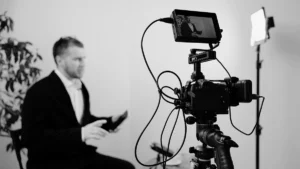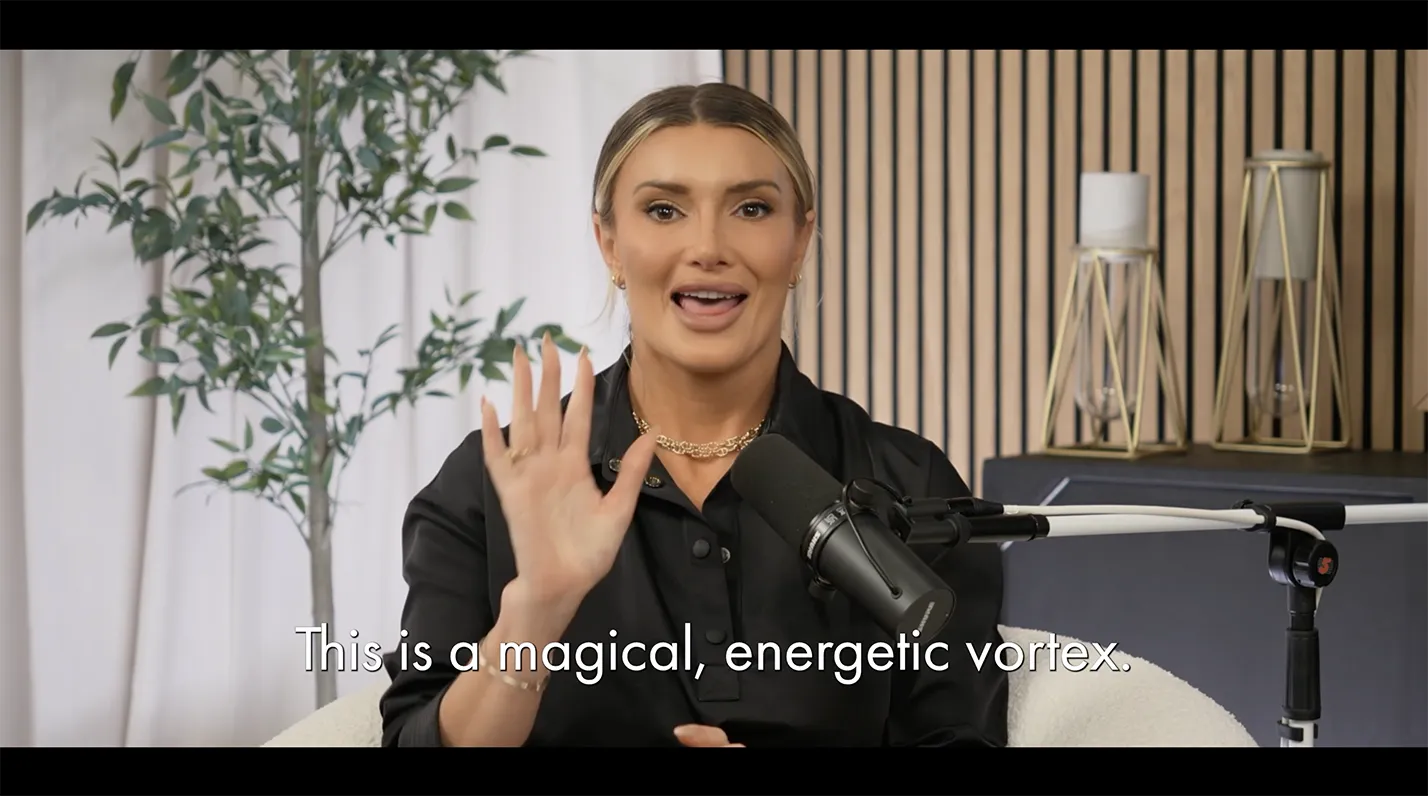
A recording engineer plays a bigger role in podcast production than most people realize. While hosts focus on conversation and guests share their stories, the engineer works behind the scenes to shape how everything sounds and looks.
So how exactly do they create the clean, professional finish that audiences expect from a high-quality podcast?

What Is a Recording Engineer in Podcasting?
To start, we’ll explore the role of a recording engineer in podcasts.
A recording engineer in podcasting is the person who runs the technical side of the show while it’s being recorded. Instead of being on the microphone or in front of the camera, they make sure everything sounds and looks clean, clear, and professional. Their main job is to control the equipment and solve problems before they affect the final recording.
Difference Between Recording Engineers and Music Producers
People often mix up recording engineers and music producers because they both work with audio. However, they have very different jobs. The easiest way to understand the difference is this:
- Recording engineers focus on how it sounds technically
- Music producers focus on what it should sound like creatively
Music producers guide the creative direction. They help shape the style, emotion, and structure of a song or album. They give feedback to musicians and make decisions about how the music should feel.
Music producers:
- Choose which instruments or sounds to use
- Work with singers on how they perform a line
- Decide if a song needs to be faster, slower, softer, or more energetic
- Help build the overall theme or concept of a project
In Podcasting, There Is Usually No “Music Producer.”
The recording engineer plays a similar important role, except they only guide technical quality, not the story.
Both roles are important, but they shape media in very different ways.
How Skilled Recording Engineers Shape a Podcast’s Technical Quality
Podcast listeners expect clear voices, consistent volume, and clean video (if it’s filmed). A skilled recording engineer protects that quality using real technical tools and techniques, not just basic volume adjustments.
Here’s how they do it, broken down into actual technical work:
1. Microphone Setup and Gain Staging
Before anyone speaks, engineers set proper gain (input volume) so the mic captures clean audio without distortion.
Technical steps they take:
- Choose the right mic for the speaker (e.g., dynamic mics like Shure SM7B for noisy rooms)
- Set gain so levels stay around 12dB to –6dB (safe, clear peaks)
- Use pop filters to reduce plosives (“P”/“B” blasts)
- Adjust the mic distance and angle to prevent muffled or harsh sound
If the gain is wrong, you get clipping, low volume, or noisy recordings that can’t be fixed later.
2. Real-Time Level Balancing and EQ
During recording, engineers actively shape the sound using mixing boards or software.
Tools & techniques:
- Compression to control loud/soft voices automatically
(e.g., ratio 3:1 to keep hosts consistent) - Low-cut/High-pass filter to remove rumble under 80–100 Hz
- EQ adjustments to make voices clearer (boost at 2–4 kHz)
If a guest has a deep voice that sounds muddy, the engineer adds an EQ cut around 200–300 Hz to clean it up.
3. Noise Management and Room Control
Engineers reduce unwanted sound before it ever hits the microphone.
They apply:
- Noise gates to block room noise when no one is speaking
- Acoustic treatment (foam, curtains, diffusers) to reduce echo
- Mic directionality (cardioid mics aimed away from noise sources)
Result: Less hiss, reverb, AC hum, keyboard clicks, chair squeaks.
4. Camera Feed and Frame Consistency (For Video Podcasts)
If the podcast is filmed, the engineer maintains stable, consistent visuals.
They control:
- ISO, shutter speed, and aperture for proper exposure
(e.g., shutter speed at 1/60 for natural motion at 30fps) - White balance so skin tones remain accurate
- Focus and framing to avoid blurry or awkward shots
Changing colors, blurry focus, or shaky cuts ruin production value, even with great content.
5. Lighting for Skin Tone and Clarity
Lighting affects how clean the video looks and how sharp the cameras perform.
Engineers use:
- Three-point lighting setups (key, fill, back light)
- Softboxes or LED panels to avoid harsh shadows
- Diffusers to make light more natural on the skin
Tip: Keeping lighting around 5600K daylight color temperature helps cameras produce accurate color and reduces noise.
6. Real-Time Monitoring and Troubleshooting
During the session, engineers watch waveform meters, VU meters, and video scopes to catch issues instantly.
They monitor for:
- Clipping (volume too high)
- Mic interference (RF noise, wireless dropout)
- Camera overheating or SD card failures
- Sync issues between audio and video
Because they fix problems as they happen, the final file needs far less repair.
7. Giving Technical Direction to Talent
Engineers guide hosts and guests with small adjustments that improve quality.
They might ask:
- “Move two inches closer to the mic.”
- “Stop touching the table; your mic is picking it up.”
- “Speak toward the microphone, not sideways.”
These instructions protect the recording without interrupting the flow of conversation.
Why Podcast Quality Affects Audience Trust
Skilled recording engineers also know that good technical quality makes listeners feel like they’re getting something professional, honest, and worth listening to.
1. Clear Audio Makes Information Easier to Believe
When voices sound sharp, consistent, and free from noise, people focus on the message, not the flaws.
- Clean audio makes the speaker sound more confident and knowledgeable.
- Poor audio (static, clipping, echo) makes listeners doubt the expertise, even if the content is good.
- If the audience struggles to hear something, they may think the host didn’t prepare or care enough.
2. Consistent Volume Shows Professional Effort
Good podcasts don’t make you reach for the volume button every few seconds.
- When one speaker is too quiet or another is too loud, it feels unprofessional.
- Balanced levels tell the listener the podcast was carefully produced.
- Listeners trust shows that sound, steady, and “controlled.”
3. Less Distraction Means More Attention on the Message
Noise, shaky camera cuts, and bad lighting pull attention away from what is being said.
- When the audience is distracted, they stop absorbing the message.
- Quality removes barriers and keeps attention on the conversation.
4. Professional Sound Signals Respect for the Audience
A well-produced podcast shows that the creators value their listeners’ time and experience.
- It shows effort, planning, and care.
- People are more likely to return, subscribe, and share something that feels well-made.
- Consistency across episodes builds long-term trust and loyalty.
As a result, strong technical quality helps build credibility, strengthens the host’s reputation, and encourages the audience to keep coming back. And this level of trust is shaped through expert engineering that protects every detail of the recording.
How Focal Studios Boosts Podcast Production with Expert Engineering
Focal Studios not only provides a space, but also a team that makes every podcast look and sound professional from start to finish. With trained recording engineers handling the technical side, creators can focus fully on their conversation, brand, and ideas while everything behind the scenes is taken care of.
- Professional audio setup – Before recording starts, Focal Studios engineers choose and set up the best microphones for each voice. They adjust gain levels, run sound checks, and remove background noise so voices come through clean and clear.
- Consistent, high-quality video – If the podcast is filmed, our engineers handle camera placement, framing, and color consistency.
- Studio lighting – Our team manages the lighting so each guest looks natural and professional on camera. Soft light reduces harsh shadows and makes video podcasts feel premium.
- Real-time monitoring and problem solving – During recording, we watch audio meters, camera feeds, and lighting so we can fix issues instantly before they ruin a take.
- Guidance that helps talent sound their best – Our recording engineers give simple, friendly instructions that improve quality without disrupting the flow.
Ultimately, Focal Studios combines the right equipment with skilled engineering to deliver a smooth, worry-free recording experience. As a result, podcasters are able to build audience trust, improve overall quality, and elevate their brand with every episode they create.