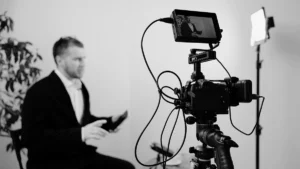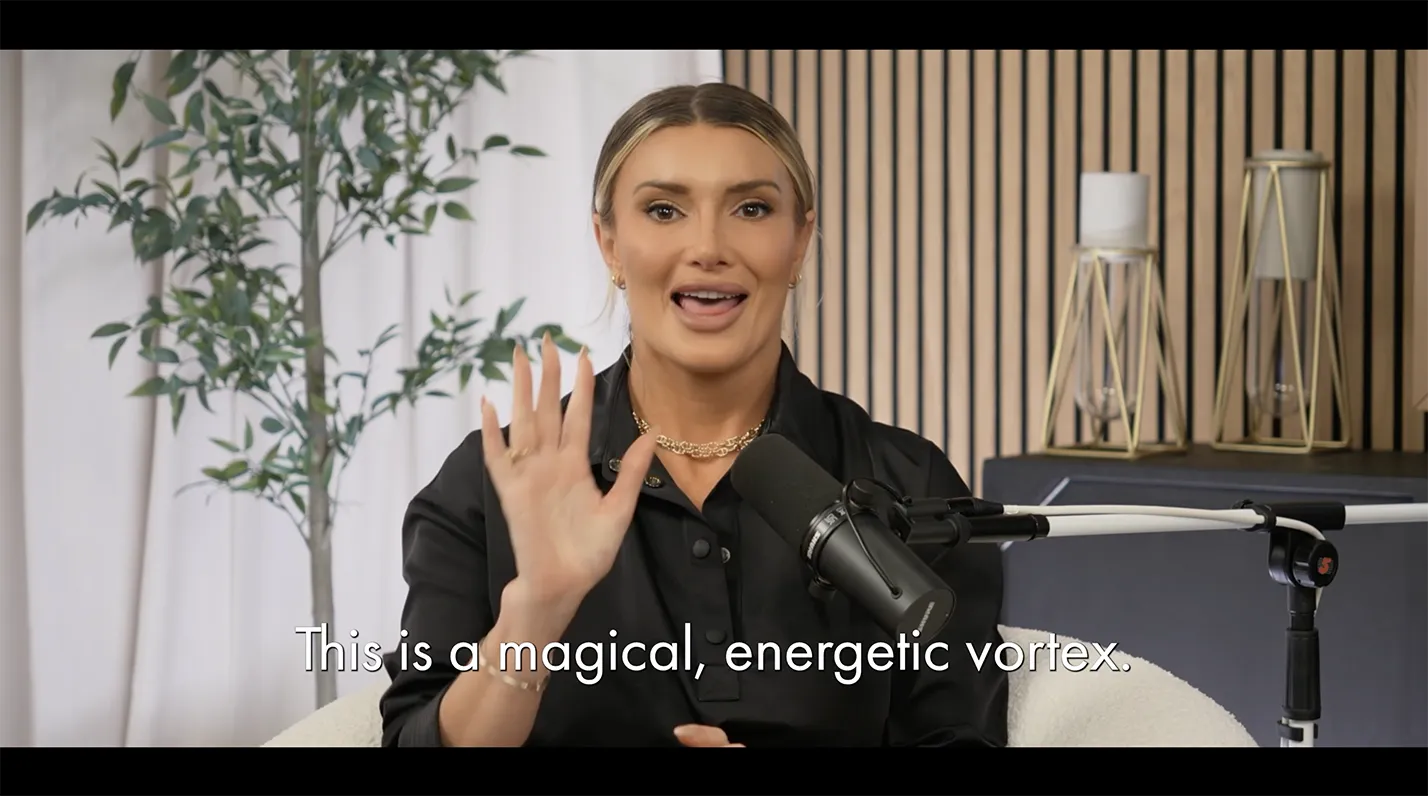
Long form content demands more than time and creativity. It requires steady quality, consistent delivery, and an environment that can support extended recording without disruption.
To create long-form recordings that remain clear, focused, and professional throughout, every part of the process must be built for consistency.

What Is Long Form Content?
Long-form content is longer, deeper, and more detailed than short posts or quick clips. It is designed to hold attention for an extended time and explain a topic fully, not just summarize it.
You usually see long-form content as:
- Podcasts or interviews that run 30 minutes to several hours (a format that allows extended thematic exploration and storytelling)
- Long videos, such as documentaries, panels, or educational talks
- In-depth blog articles or guides
- Recorded courses, webinars, or training sessions
One of the practical advantages of long-form content is that it can serve as the foundation asset for an entire content ecosystem, such as clips for social media, blog summaries, quotes for email, infographics, and more. A single podcast or webinar can become dozens of bite-sized assets that expand your presence across platforms without diluting your core message.
At the core of this flexibility is not just length. It is the intent. You are giving your audience time to understand an idea, follow a conversation, or learn something step by step.
Why Quality and Consistency Matter in Long Form Recording
Small problems that might be ignored in a short clip become distracting when they repeat for minutes or hours.
Here’s why quality and consistency are important:
- Your audience notices changes quickly – If your audio gets quieter, your lighting shifts, or your video quality drops, people notice. These changes can break focus and make it harder to stay engaged.
- Poor quality causes listener and viewer fatigue – Echo, background noise, uneven volume, or blurry video forces people to work harder just to follow along. Over time, this makes them stop listening or watching.
- Consistency builds trust and professionalism – When your sound, visuals, and framing stay the same, your content feels reliable and well-produced. This helps your audience trust both you and your message.
- Long recordings amplify small technical issues – A hum, buzz, or flicker that lasts a few seconds in short content can last for hours in long-form recordings. These issues become much more disruptive over time.
- Stable quality supports better storytelling and learning – When nothing changes unexpectedly, your audience can focus on what you are saying instead of how it looks or sounds.
Since long-form recordings run for extended periods, quality and consistency cannot be left to chance. The best way to avoid these issues is to address them before you ever press record. This makes early decisions just as important as what happens during the recording itself.
Planning and Pre-Production for Long-Form Recording
When you prepare properly, you reduce interruptions, protect quality, and make the recording smoother from start to finish.
Here’s what you should plan before recording:
- Define the length and format – Know how long you plan to record and whether it will be a single take, multiple segments, or breaks stitched together. This affects pacing, storage, and setup decisions.
- Test your audio setup first – Check microphones, levels, and background noise before recording. Audio issues are the most common reason people stop listening, especially in long recordings.
- Lock in lighting and camera settings – Set your lighting and camera exposure so they remain stable over time. Avoid natural light that can change during long sessions unless you control it.
- Prepare your recording environment – Choose a quiet space with minimal interruptions. Turn off notifications, HVAC noise, and anything that could cause changes in sound or lighting.
- Plan power and storage needs – Long recordings require enough battery life, memory cards, and backup storage. Running out of power or space can interrupt or ruin a session.
- Outline your content flow – Even if your recording is conversational, having a loose outline helps you stay focused and avoid unnecessary pauses or repeated explanations.
- Schedule breaks intentionally – Plan short breaks if needed to avoid fatigue while keeping your setup untouched so quality stays consistent.
When everything is set up ahead of time, long-form recording feels controlled, calm, and professional.
Managing Workflow and Post-Production for Long-Form Media
Long recordings create large files, long timelines, and more chances for mistakes if you do not plan.
To manage it effectively, you must:
- Organize files from the start – Name your files clearly and keep audio, video, and project files in labeled folders. This saves time and prevents confusion later.
- Back up your recordings immediately – Long-form recordings are hard to recreate. Store at least one backup on a separate drive as soon as the session ends.
- Sync audio and video carefully – Long timelines make syncing more sensitive. Small sync issues become more noticeable over time, so check alignment early in the edit.
- Break the edit into sections – Working in chapters or segments makes editing easier and reduces system strain. You can still export it as one final piece later.
- Maintain consistent levels and color – Make sure audio volume, tone, and video color stay even across the entire recording. Inconsistent sound or visuals are more noticeable in long content.
- Plan for longer export and review times – Rendering and reviewing long-form media takes more time. Build this into your schedule so you are not rushed.
- Prepare versions for different platforms – Long-form content is often repurposed. Plan for full-length releases, shorter clips, and audio-only versions.
Even with a strong workflow, long-form media can be demanding to manage on your own. Working with a professional studio helps take that load off, giving you the structure, technical support, and production experience needed to keep long-form projects running smoothly from recording through final delivery.
How Focal Studios Supports Professional Long-Form Content Creation
At Focal Studios, the studio environment is built for comfort and consistency, helping you maintain steady audio and video quality from start to finish.
Flexible booking options
If you only need a one-off session, General Admission (GA) bookings are available. This works well for special projects, interviews, or single long-form recordings.
If you record regularly, monthly memberships give you consistent access to the studio. This helps maintain the same look and sound across episodes or series.
Recording packages tailored to your brand
Professional equipment, controlled lighting, and acoustically treated rooms reduce common problems such as noise, echo, and visual shifts during long recordings.
Plus, there are custom recording packages that support brands with specific production needs, whether you are creating podcasts, video series, or educational content.
By combining a professional environment with flexible options, Focal Studios helps you record long-form content with confidence and consistency.
| Book a session or sign up for a membership to see how Focal Studios delivers dependable, high-quality long-form recordings that support your content from start to finish. |