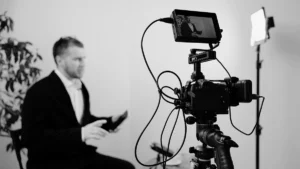
How does Peerspace work? For many creators, podcasters, and entrepreneurs, Peerspace is often the first platform explored when searching for a place to record content, host meetings, or produce videos. The platform offers access to short-term rentals ranging from podcast rooms and content studios to offices and event spaces. While this flexibility appeals to creators just getting started, it’s important to understand what Peerspace provides—and what it does not—before deciding if it’s the right long-term solution.
This article explains how Peerspace works, how bookings and pricing function, what creators can expect from host listings, and why many ultimately transition to a studio membership at Focal Studios for consistent, production-ready content creation.

What Is Peerspace?
Peerspace is an on-demand marketplace that connects people with short-term rentals for creative, professional, and event use. Similar to how Airbnb connects travelers with lodging, Peerspace connects users with hosts who list their spaces for hourly bookings.
Creators use Peerspace to find:
- Podcast rooms and content studios
- Meeting and conference spaces
- Photo and video production environments
- Offices, lofts, and creative workspaces
Each space is independently owned and managed, which means experiences can vary significantly from one listing to another.
How Peerspace Booking Works
Using Peerspace typically follows a simple process. Users search by location, availability, and type of space, then request to book directly through the platform.
The general booking steps include:
- Searching for a space by category or location
- Reviewing photos, descriptions, and host rules
- Selecting an hourly time block
- Submitting a booking request or instant booking
- Paying through the Peerspace platform
Once confirmed, creators arrive at the space during their reserved time and are expected to leave when the booking window ends.
Understanding Pricing on Peerspace
Pricing on Peerspace is set by individual hosts and typically charged by the hour. Rates vary widely based on location, size, aesthetics, and perceived production value.
Important pricing considerations include:
- Hourly minimums
- Cleaning or service fees
- Additional charges for equipment use
- Overtime fees if sessions run long
While Peerspace can be cost-effective for occasional use, frequent creators often find hourly pricing adds up quickly—especially when recording weekly or producing multiple pieces of content.
What Peerspace Does and Does Not Provide
One of the most important distinctions for creators is understanding the limits of what Peerspace offers. While the platform provides access to a physical space, it does not guarantee a production-ready experience.
Peerspace typically provides:
- Access to a listed room or studio
- Basic amenities defined by the host
- Aesthetic or themed environments
Peerspace does not consistently provide:
- Professional microphones or audio interfaces
- Controlled lighting setups
- Sound treatment or isolation
- On-site engineering or technical support
- Consistent setup between sessions
Because each listing is different, creators often need to bring their own gear and troubleshoot setups themselves.
Why Inconsistency Becomes a Challenge
For creators producing content regularly, inconsistency becomes one of the biggest drawbacks of on-demand rentals. Equipment, lighting, acoustics, and layout may differ every time—even within the same listing.
This inconsistency can lead to:
- Variable audio and video quality
- Longer setup and breakdown times
- Increased editing and post-production work
- Frustration during recording sessions
For brands and entrepreneurs focused on growth, these inefficiencies can slow momentum and affect audience perception.
When Peerspace Makes Sense
Peerspace works well for:
- One-off projects
- Occasional recordings
- Location-specific shoots
- Creators testing early ideas
For short-term needs, the flexibility of Peerspace can be appealing. However, as content becomes more strategic and frequent, many creators begin looking for a more stable solution.
Why Many Creators Choose Focal Studios Instead
As creators scale their content, many transition from hourly rentals to dedicated studio memberships. Focal Studios offers a fundamentally different experience from typical Peerspace listings.
At Focal Studios, creators gain:
- Consistent access to a luxury recording environment
- Professional microphones, lighting, and cameras
- Sound-treated podcast rooms
- Production-ready setups for audio and video
- Predictable scheduling through GA or membership options
Rather than renting a room, creators record in a studio designed specifically for content production.
Membership vs Hourly Rentals
While Peerspace focuses on hourly access, Focal Studios offers both General Admission (GA) sessions and monthly memberships. Memberships are especially valuable for creators who record regularly and want consistent quality without repeated setup.
Membership benefits include:
- Access to the same studio and setup every session
- Reduced per-session costs over time
- Faster workflows with minimal setup
- Content that looks and sounds consistent across platforms
This consistency supports stronger branding and audience trust.
Peerspace Listings at Focal Studios
For creators who still prefer booking through Peerspace, Focal Studios maintains Peerspace listings for select locations, including:
These listings allow creators to experience the Focal Studios environment before transitioning to direct booking or membership.
Choosing the Right Solution for Your Content
Understanding how Peerspace works helps creators make informed decisions. While on-demand rentals offer flexibility, they often lack the consistency and production support needed for long-term content growth.
If your goal is to produce high-quality podcasts, video content, and branded media efficiently and reliably, a dedicated studio environment offers clear advantages.